

Rising prices across multiple fronts
Costs are increasing across multiple fronts at once, creating a compounding effect on household budgets.
One year after tariffs first made headlines, Americans are navigating an economy shaped by rising prices, global instability, and sustained cost pressure.
Costs are increasing across multiple fronts at once, creating a compounding effect on household budgets.

People are becoming more deliberate, carefully weighing how they live, spend, and plan for what's ahead.
Female, Boomer, South
Female, Millennial, West
Male, Millennial, Northeast
Female, Gen X, South
"Grocery prices are for sure a worry. We haven't been able to save for a vacation in a while because cost of living has gone up so much."
Female, Gen Z, Midwest
"I'm trying to fuel up less often."
Male, Boomer, Northeast
"I'm keeping an eye on the creeping prices of things and finding ways to replace them or cut them from my list."
Male, Gen Z, West
"I am scouring yard sales and thrift stores for craft materials to make Christmas presents instead of purchasing new things as presents."
Female, Millennial, Northeast
"I have already drastically stopped spending on nonessential goods and services."
Male, Gen X, South
"Just being more conservative, spending less, driving less, cancelled vacation to Hawaii. The list is endless."
Female, Boomer, South
Scale: 10 = "Very optimistic", 1 = "Not optimistic"
Scale: 10 = "Very optimistic", 1 = "Not optimistic"
Over time, attention has shifted away from policy itself and toward the real-world impact. The focus is no longer on tariffs as a headline, but on how rising costs show up in everyday life.
Where rising prices are hitting hardest in everyday life
Consumers aren't cancelling everything. They are prioritizing.
Every purchase is now a decision. Consumers are actively filtering what is worth it and what is not. Brands must compete on whether they make it through that filter.
Consumers need to see why your product or service is worth the cost, right now.
Transparency matters. Hidden fees and surprise increases erode trust quickly.
Show consumers you understand their pressure. Coupons, sales, flexible options — these signals matter.
"Be transparent with the costs. I know you need to make money. I know there are expenses you cannot avoid passing on to me. Trying to be deceptive about it such as shrinkflation is more frustrating than being clear about why the added costs are occurring."
Male, Gen Z, West
"Stop price gouging while giving CEOs bonuses. If consumers can't afford your products you'll lose our business."
Male, Millennial, Northeast
"Reduce the cost or provide more coupon options for the people who seek them out."
Female, Millennial, Northeast
"Many people are having a hard time affording the same things they did this time last year, and any help you could give would be greatly appreciated, such as having more sales and offering more coupons."
Male, Boomer, South
"Understand the big picture. Everything is going up, not just your individual services."
Male, Boomer, South
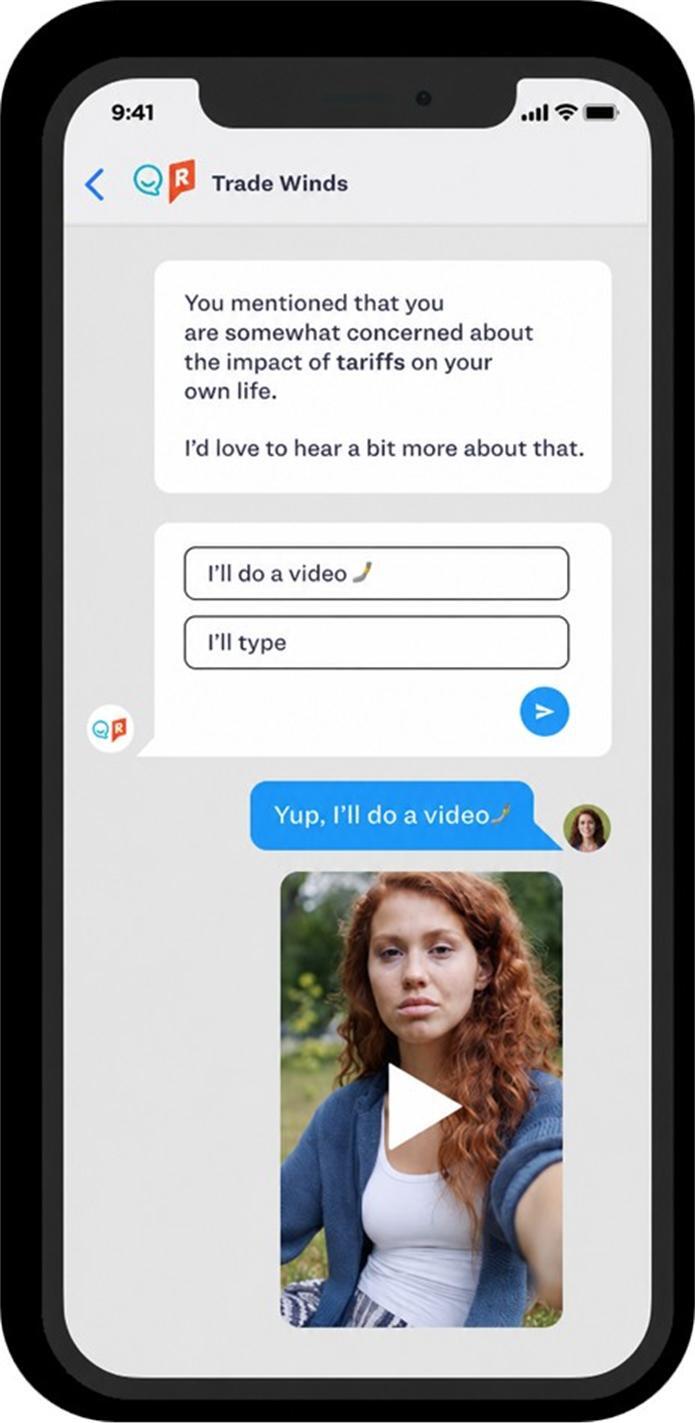
Trade Winds is a mobile-first research community designed to capture real-time consumer sentiment as economic conditions evolve.
Everyday consumers who engage in short, conversational exercises via the Rival mobile research platform. This enables fast, in-the-moment insights.
April 2 to April 9, 2026
Mobile, chat-based methods drive deeper and more candid responses. This helps reveal the human impact behind economic trends.
U.S. adults (18+), Rival Audiences, N = 480
Mobile Chat
Email info@reach3insights.com or
use the Contact button below.

www.reach3insights.com | info@reach3insights.com
SMS: (833) 4Reach3 | Phone: (833) 4Reach3